Rio de Janeiro, Brazil
Rio de Janeiro. Even the name sounds exciting. I’d been looking forward to this stop since before I left Australia, and the city did not disappoint. I spent about ten days here, and it was easily one of the highlights of the entire trip.
While the rest of the group went on a city tour on the first day, I decided to wander around on my own. There’s something about getting lost in a new city without a plan that I really enjoy. You stumble across things you’d never find on a guided tour - little bakeries, street art, random conversations with locals. Rio rewards the aimless wanderer.
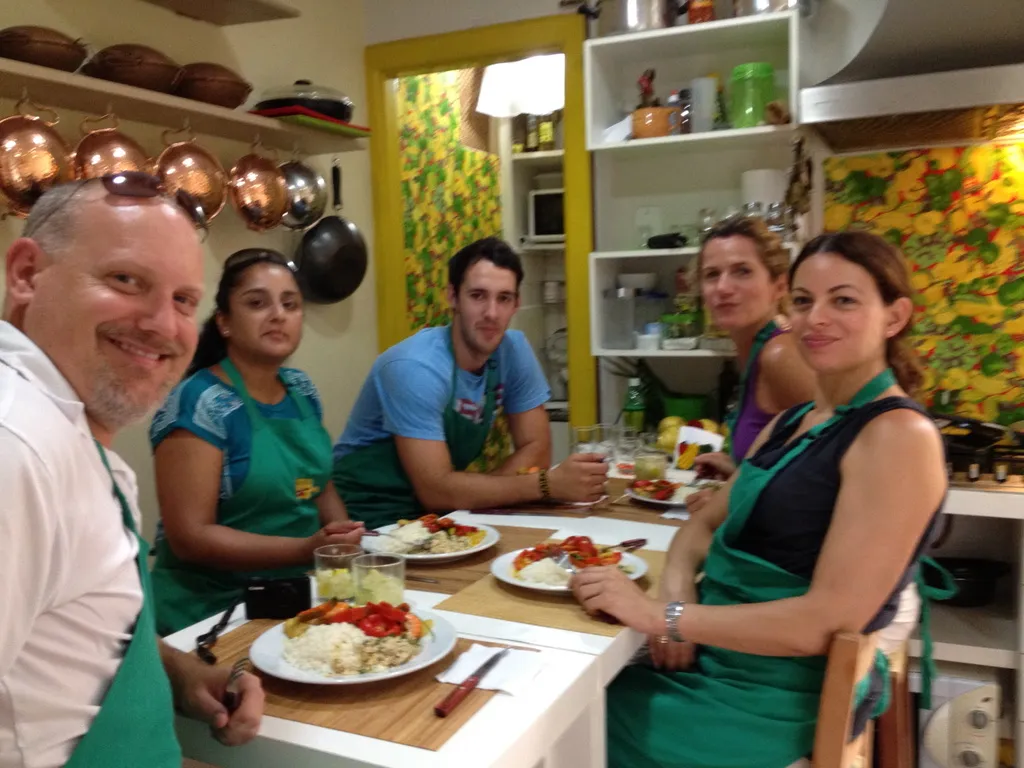
The next day I met up with Phil and Anthea, and we did a cooking class together. Brazilian food is incredible when you know what you’re doing, and while I still don’t fully know what I’m doing, I at least learned a few things. That evening we had dinner at a hotel up in Santa Teresa, a hilly bohemian neighbourhood with stunning views over the city. I also met Ross and Caroline that night, who turned out to be great company for the rest of my time in Rio.
We did a favela tour one morning, which was something I’d been curious about. To be honest, it was a bit average. I understand the intention behind these tours - to show a different side of Rio, to challenge perceptions - but it felt a bit voyeuristic at times. Walking through someone’s neighbourhood with a camera felt uncomfortable, and the tour itself was fairly surface-level. I wouldn’t necessarily recommend it.
That evening more than made up for it, though. We went to see Boavista take on Vasco da Gama. I was excited to see Brazilian football in the flesh, but the game itself was pretty disappointing - not the spectacle I’d been hoping for. The atmosphere in the stands was decent enough, but the football was forgettable. Sometimes you build things up in your head and reality doesn’t quite match.
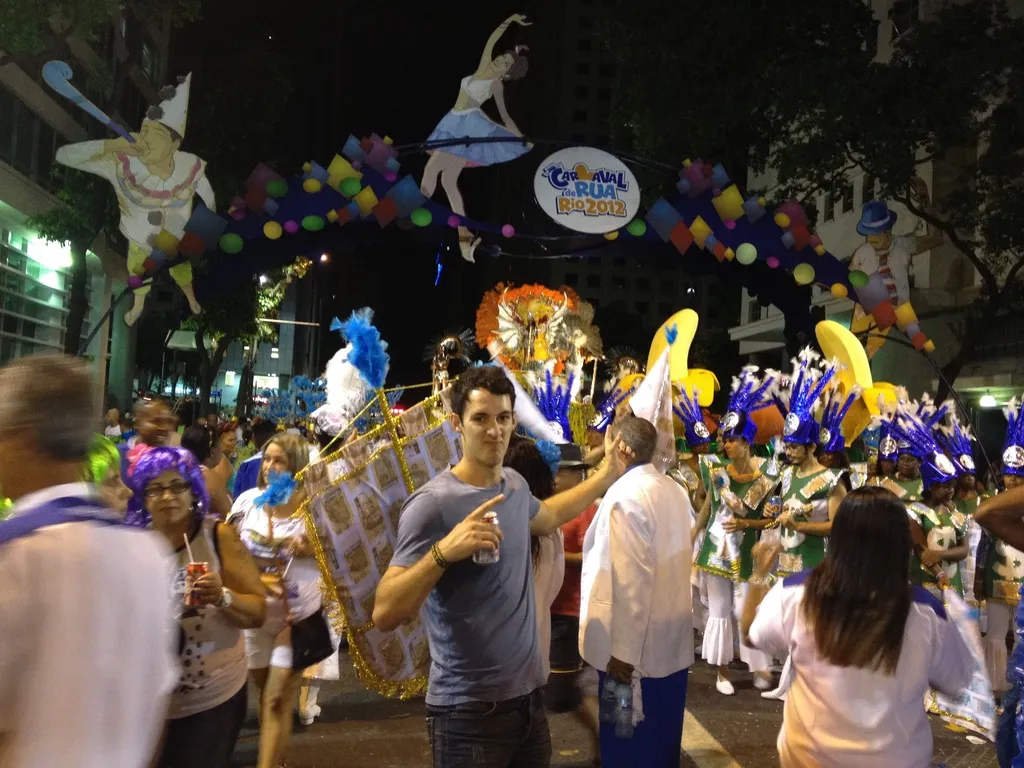
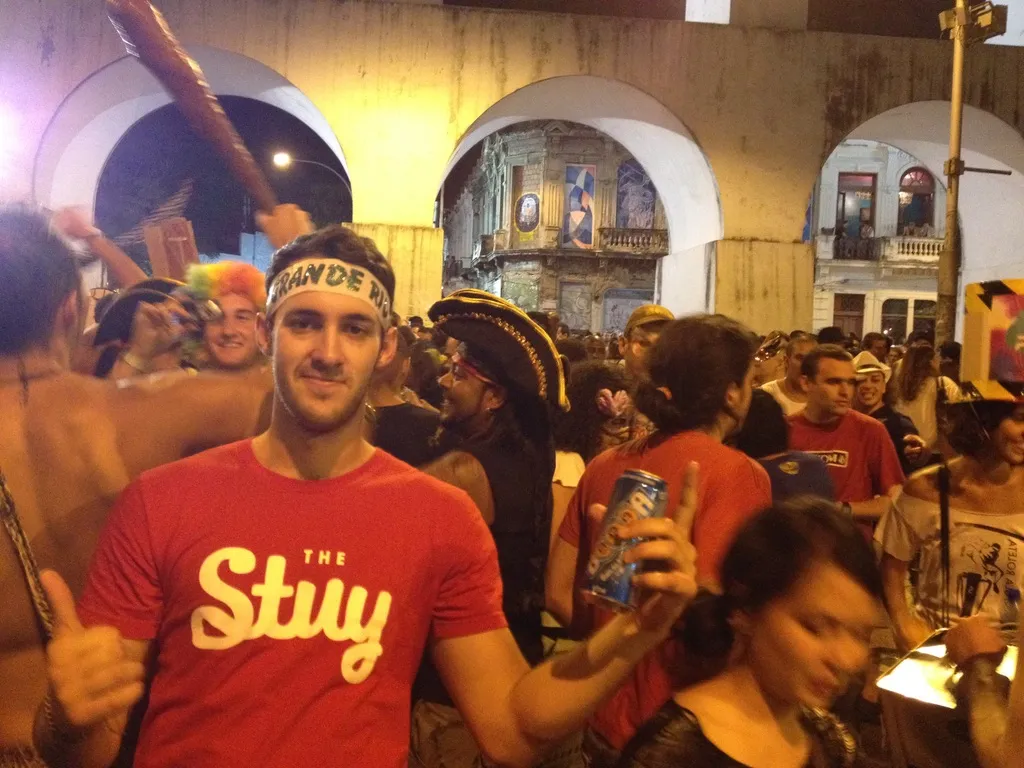
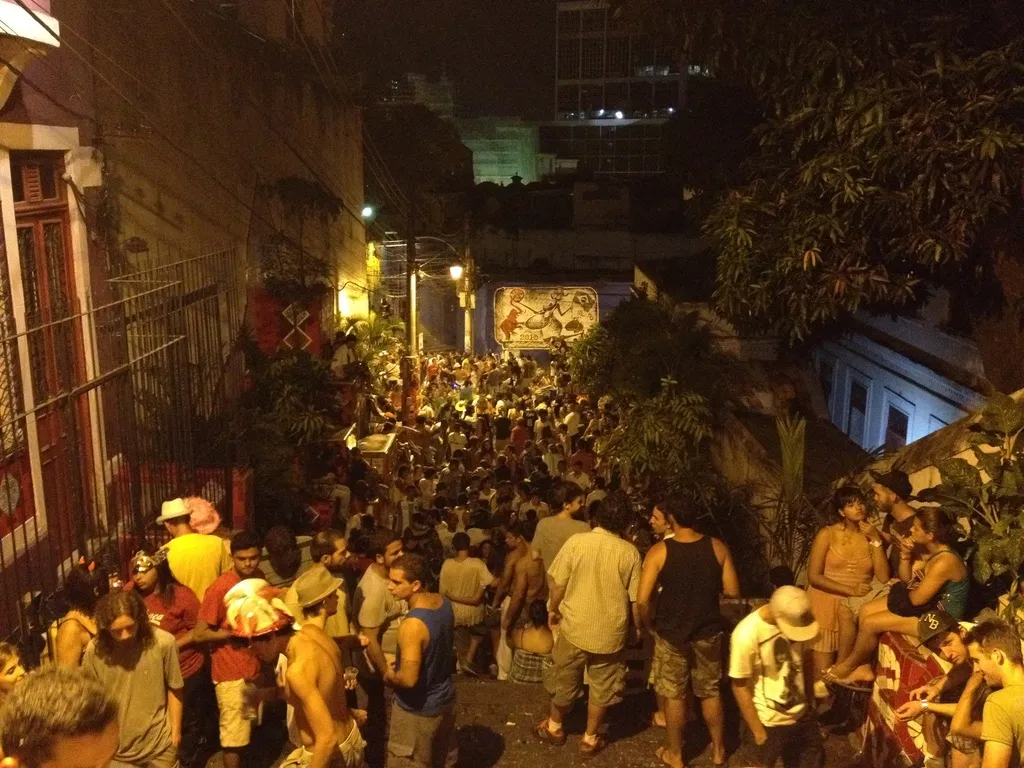
Lapa became our go-to spot for nightlife. This neighbourhood comes alive after dark - the streets fill up with people, samba music pours out of every bar, and the famous Lapa Arches are lit up in the background. I went out there a couple of times, including one night with a local guy called Lucas Martin who knew all the best spots. There’s an energy to Lapa that’s hard to find anywhere else in the world. It’s chaotic and loud and sweaty and absolutely brilliant.
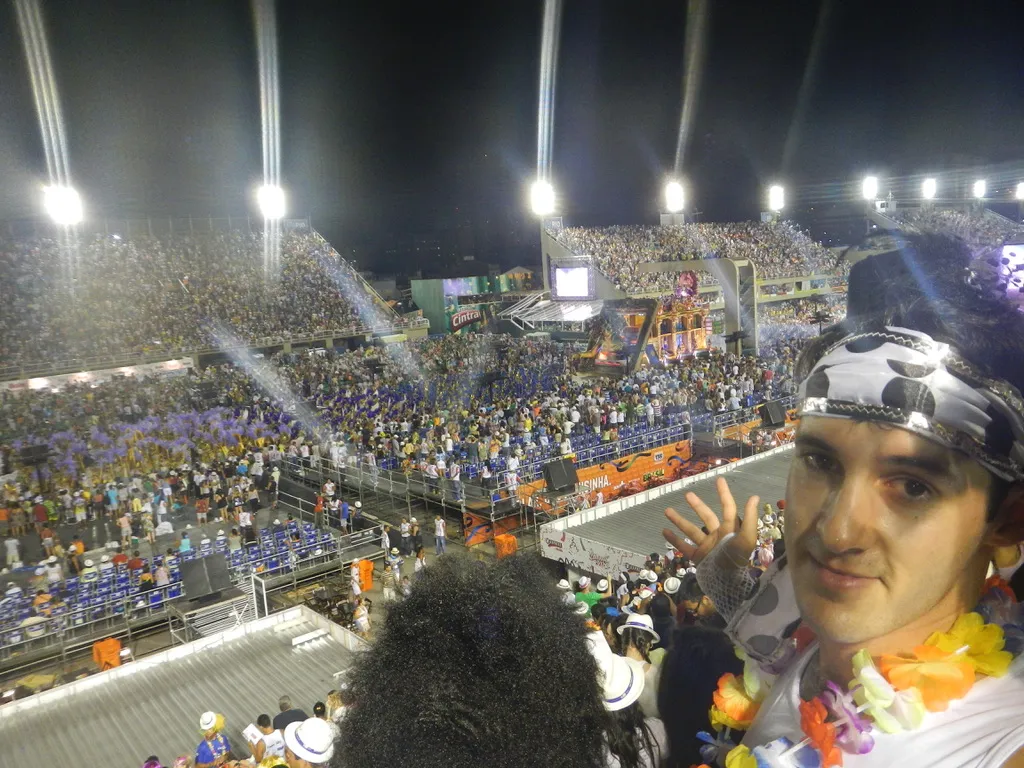
But the undisputed highlight of Rio - and possibly the entire trip - was Carnaval at the Sambadrome. I don’t even know where to begin with this one. The Sambadrome is a purpose-built parade venue, and during Carnaval the samba schools compete against each other in what can only be described as the most extravagant, colourful, loud, and joyful event I’ve ever witnessed. Each school has thousands of performers in elaborate costumes, dancing on enormous floats that look like they’ve been designed by someone who’s never heard the word “restraint.” The drumming is relentless. The energy is electric. I sat there for hours, completely mesmerised, trying to take it all in. Photos and videos don’t do it justice. You have to be there, surrounded by it, feeling the bass in your chest, to really understand what Carnaval is. It was an incredible night, and one I’ll never forget.
The day after Carnaval I was so wrecked that I slept until 4pm. No regrets. That evening I dragged myself out to Lapa again, because apparently I hadn’t learned my lesson about sleep.
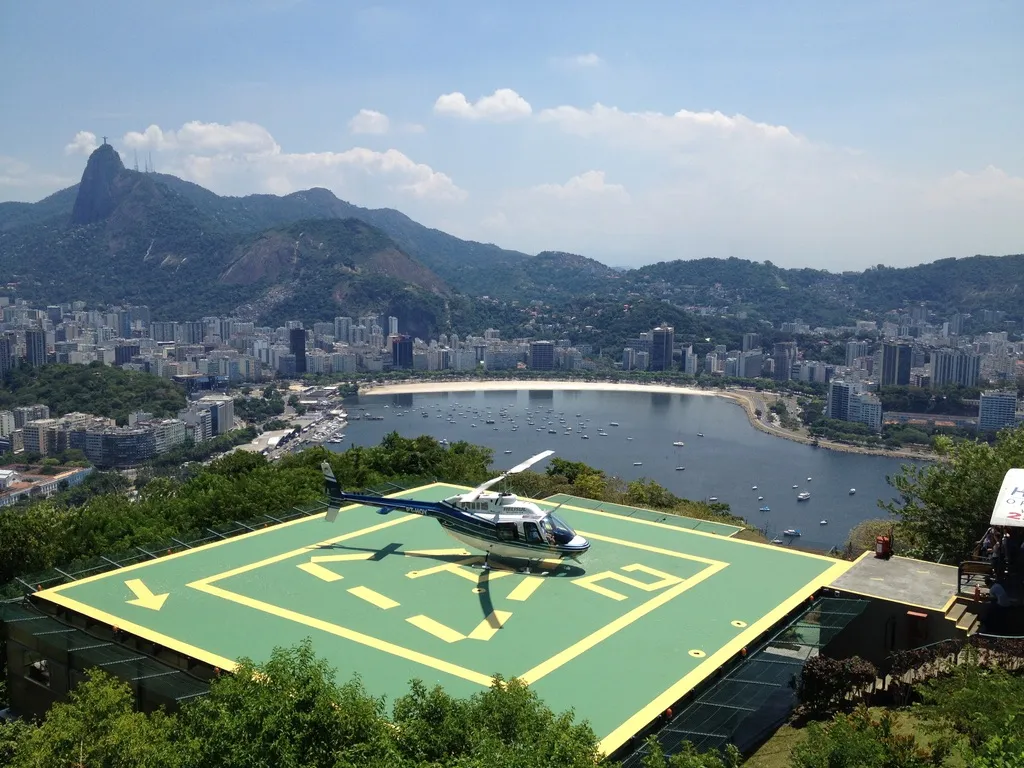
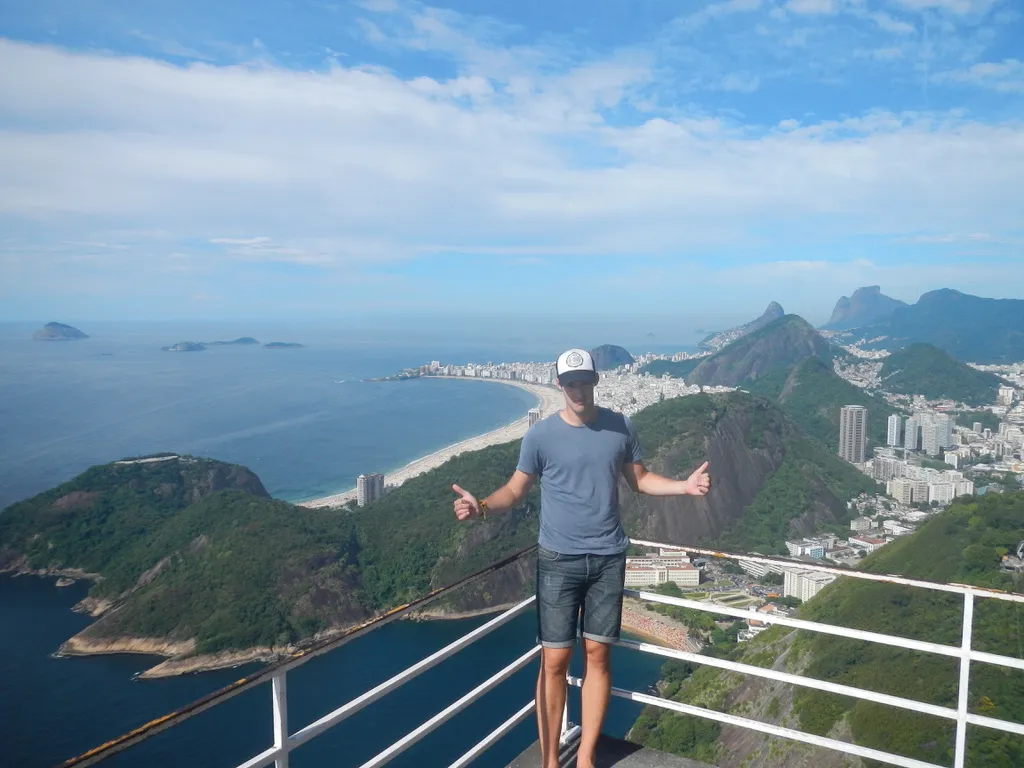
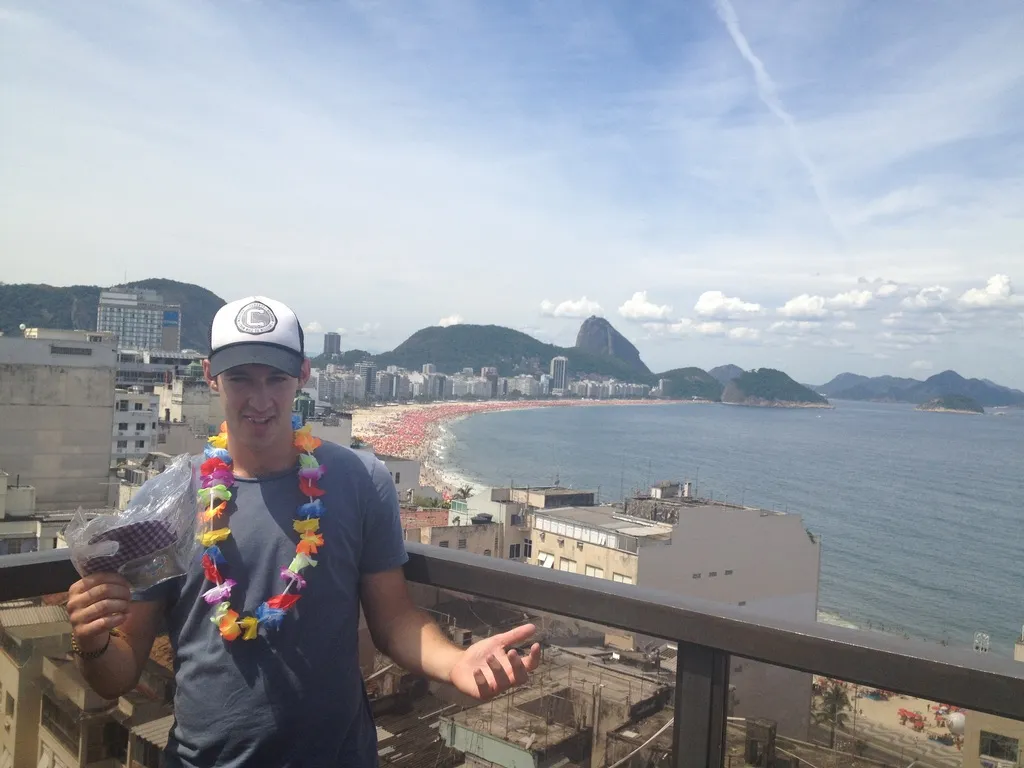
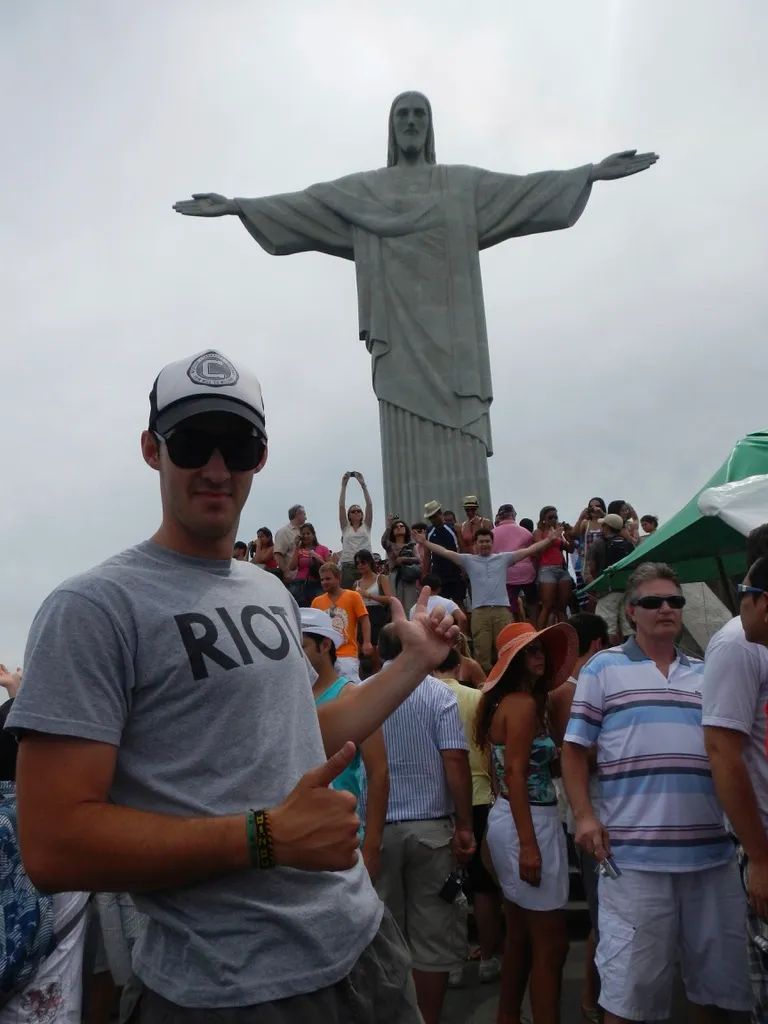
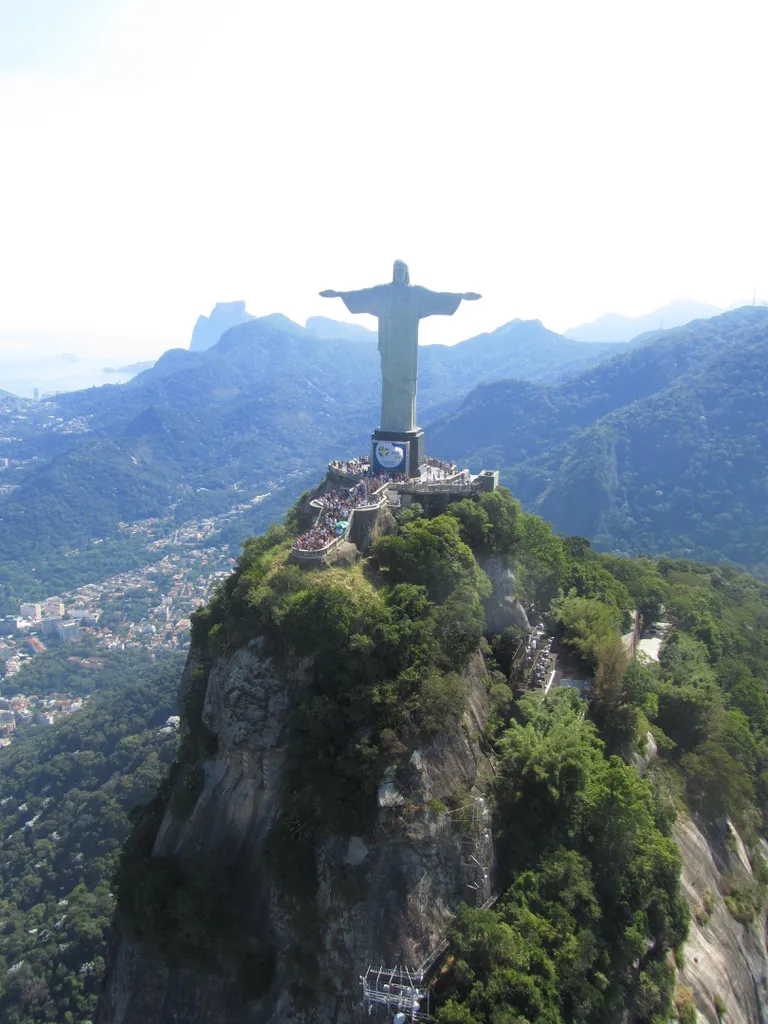
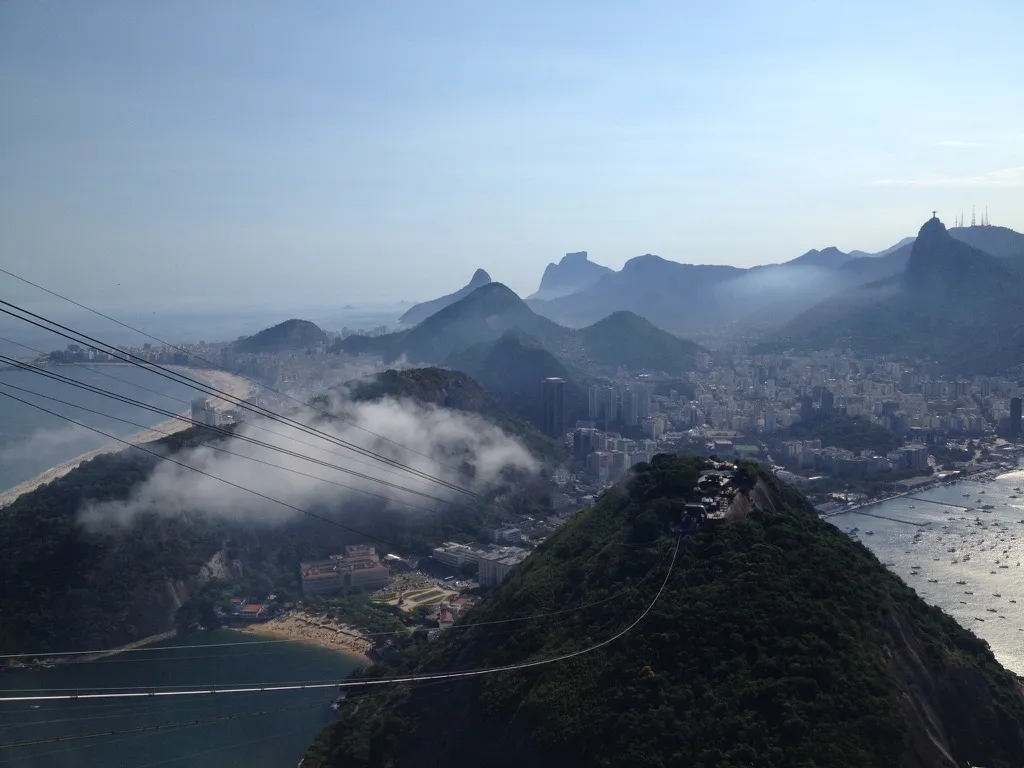
One of the must-dos in Rio is Corcovado, the mountain where Christ the Redeemer stands with open arms overlooking the city. We took the train up through the Tijuca rainforest, and when you emerge at the top, the view is breathtaking. The statue itself is impressive, but it’s the panorama that really gets you - Sugarloaf Mountain, Copacabana, Ipanema, the lagoon, the favelas climbing up the hillsides. You can see why Rio is considered one of the most beautiful cities in the world.
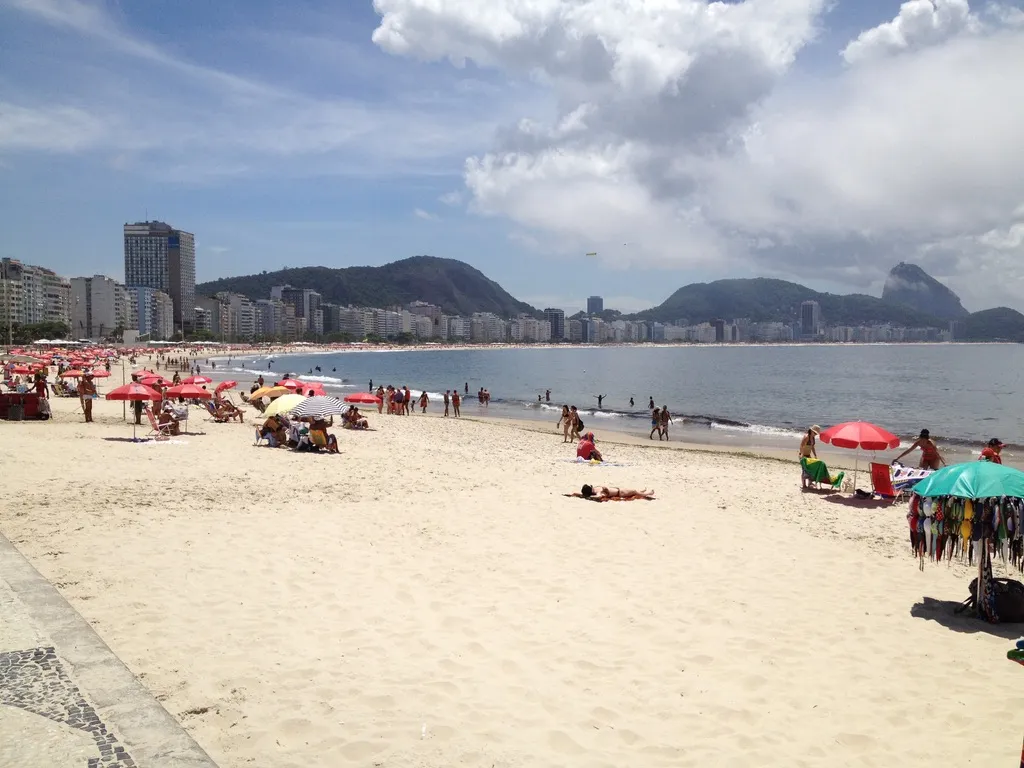
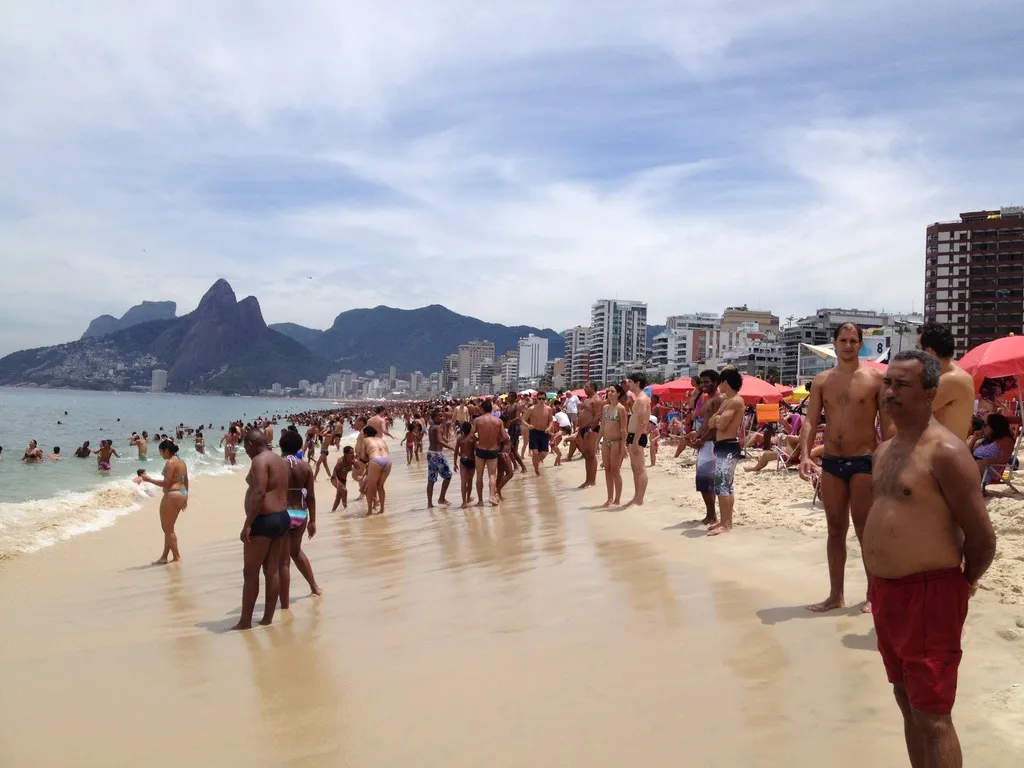
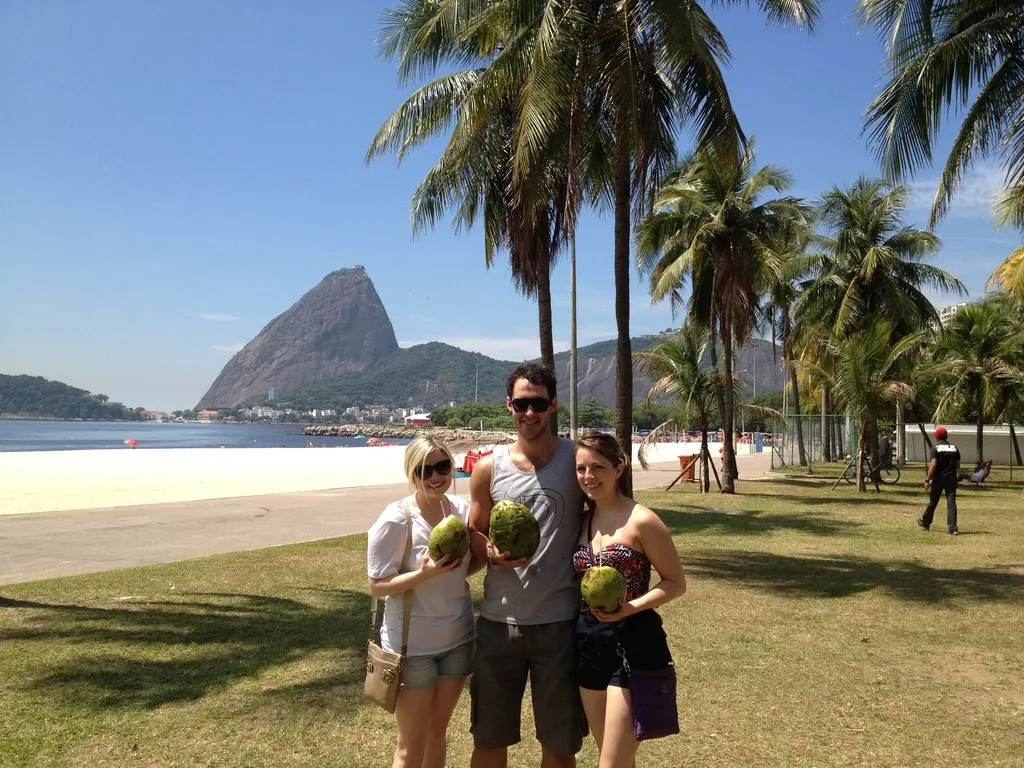
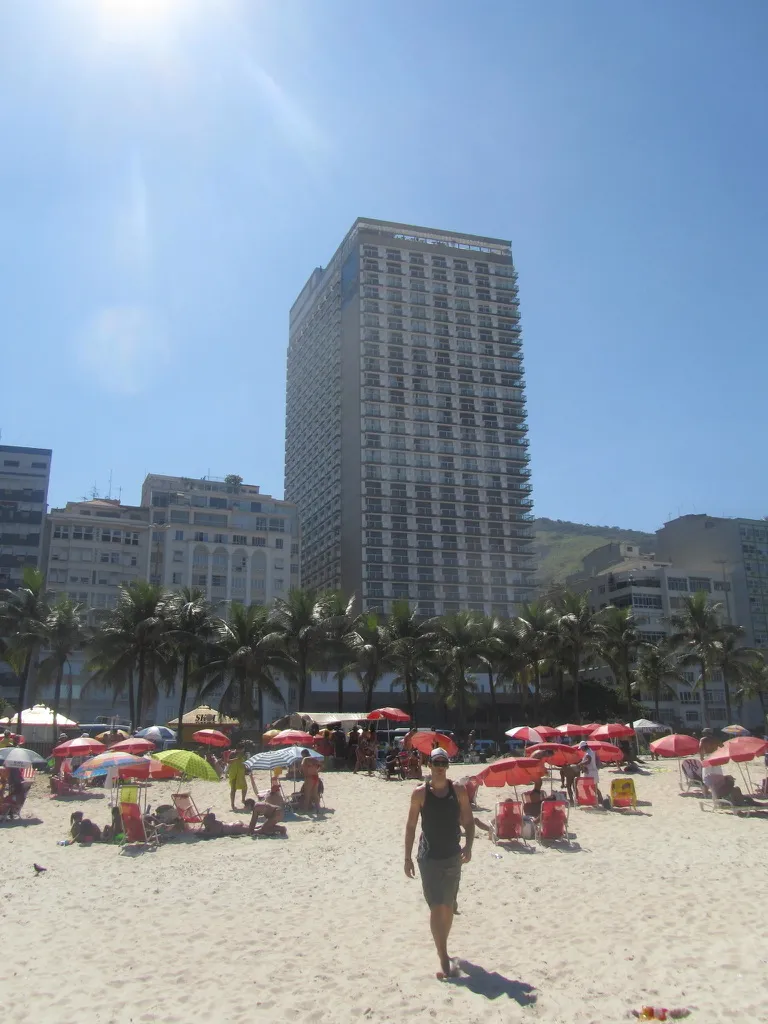
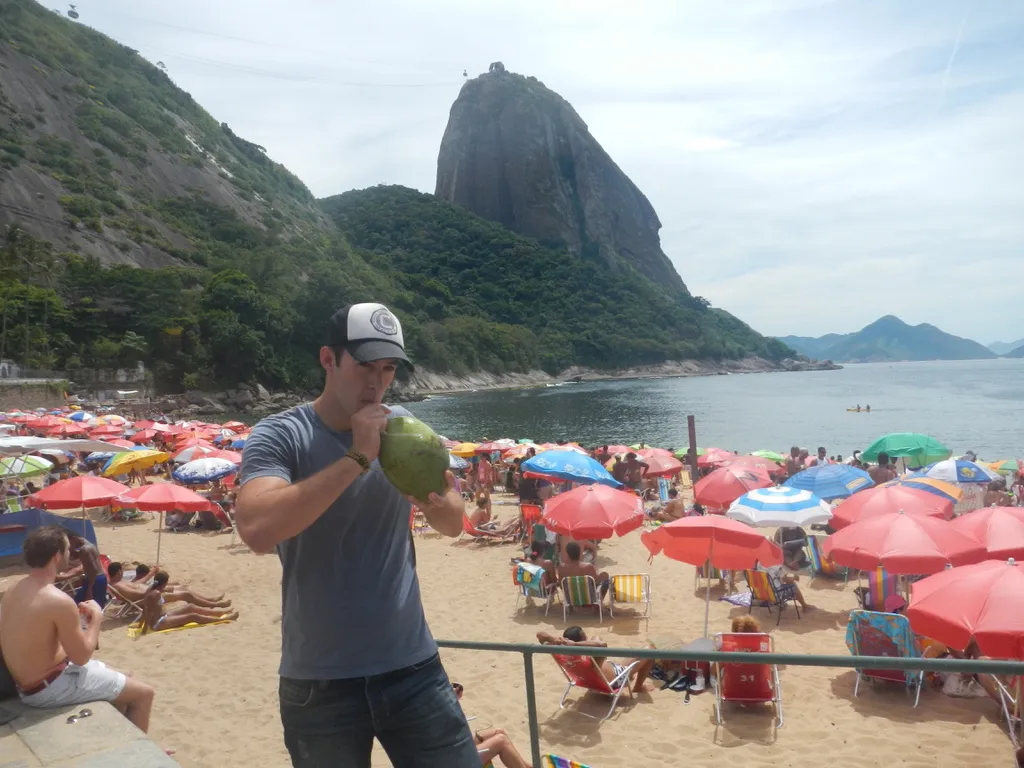
The beaches were a big part of daily life in Rio. I spent time at both Ipanema and Copacabana, soaking up the sun with friends. The beach culture here is something else - everyone’s out there playing footvolley, sipping coconut water, and generally living their best lives. It’s hard not to get swept up in it.
I also did a colonial city tour, which was actually quite interesting and gave some good historical context to the parts of Rio I’d been wandering through. On one of my last days I treated myself to a Brasil football jersey, which felt like an essential purchase. I also popped into a place called Rio in a Box, where a woman named Rosie gave me a free keyring, which was a nice little momento.
Towards the end I moved from my original hostel to a new one in Botafogo, which gave me a slightly different perspective on the city. Botafogo is a bit more residential and local-feeling compared to the tourist hubs of Copacabana and Ipanema.
Leaving Rio was tough. It’s one of those cities that gets under your skin. The combination of natural beauty, incredible culture, amazing food, and the warmth of the people makes it a place that’s very hard to say goodbye to. But South America had plenty more in store - from Rio I flew back to Buenos Aires, where I’d be catching a flight down to Ushuaia, the southernmost city in the world.